Storage journal / 30 June 2026
Alcove storage ideas for Isle of Man homes.
Chimney-breast alcoves can take shelves, lower cupboards, a fitted desk or media storage, but the best layout starts with the room: uneven walls, skirting, sockets, cables and what needs hiding.
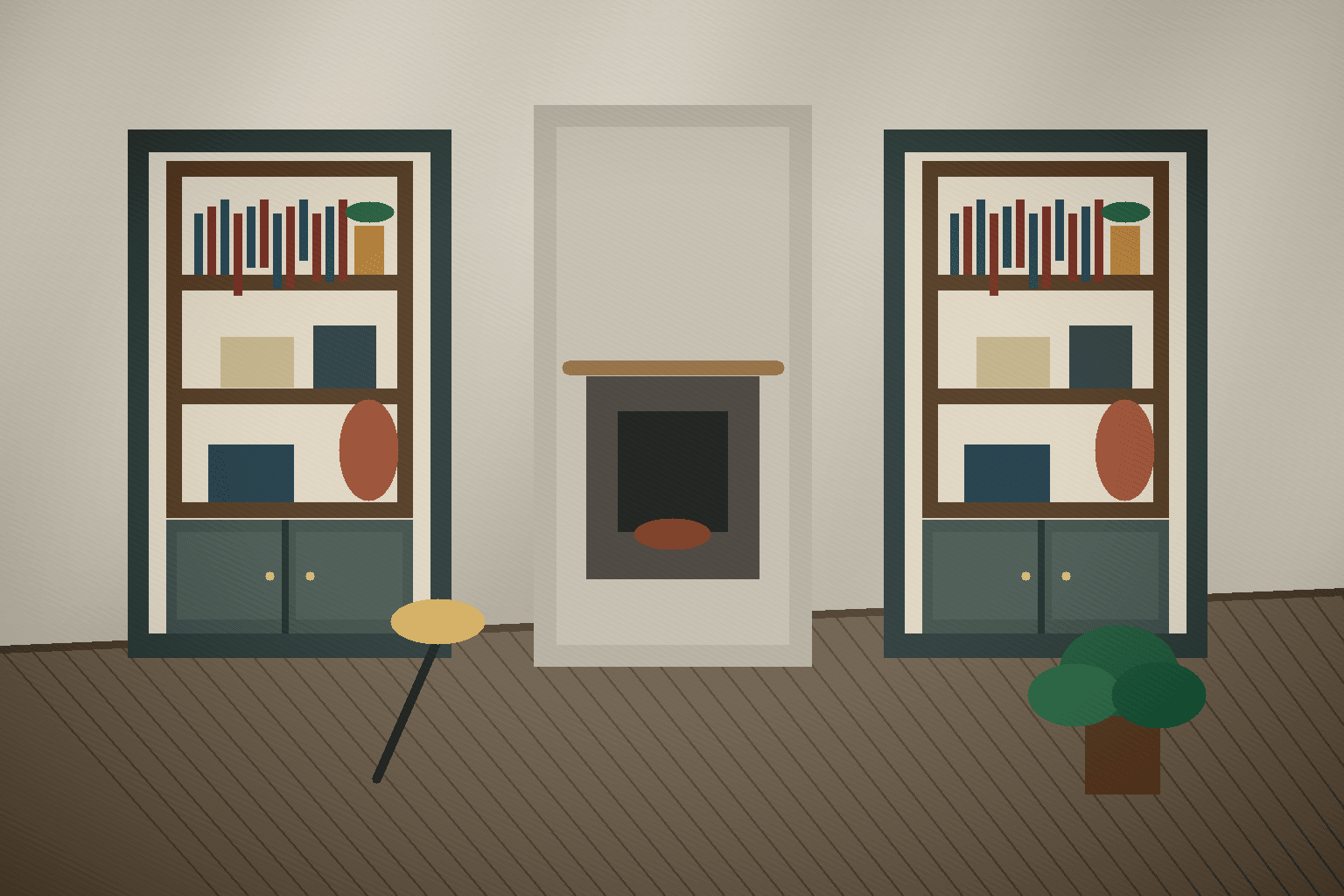
Short answer: put closed storage low, open shelves high, and plan around the wall.
For many living rooms with a chimney breast, the strongest alcove layout is a practical base cupboard with shelves above. The lower section hides the things that make a room look busy. The shelves keep books, ceramics, plants and lamps visible.
The important part is not copying a symmetrical picture. Older Manx homes often have chimney breasts that are not square, floors that run slightly out, deep skirting, sockets in awkward places or one alcove narrower than the other. Made-to-measure joinery should absorb those quirks rather than pretend they are not there.
Which alcove layout suits the room?
- Lower cupboards with shelves above: the safest living-room option when you need display space and hidden storage.
- Full-height bookcases: useful when books are the main brief and the contents will look good on show.
- Media alcove storage: good for routers, games consoles, speakers and TV cables when ventilation and access are designed in.
- Fitted desk nook: strong for a dining room, landing or spare room alcove that already has sockets nearby.
- Simple floating shelves: best when the wall is fairly straight and the storage need is light.
What to decide before choosing the door style.
- Whether the alcove needs to hide clutter, display objects or do both.
- How tall the base cupboard should be compared with nearby radiators, sofas and window boards.
- Whether shelves should be fixed, adjustable or sized around specific books, records or ornaments.
- Where sockets, TV points, router cables, vents and old pipe routes sit.
- Whether one alcove needs a different job from the other side of the chimney breast.
- How the finish should relate to nearby bookcases, cupboards or TV units.
Measure the awkward bits, not just the opening.
A useful enquiry does not need perfect survey drawings. Rough sizes and clear photos are enough to start, but measure each alcove separately. Take the width at the back wall and at the front edge. Measure the depth on the left and right. Note the ceiling height, skirting height and anything that projects into the space.
Photos matter as much as numbers. One wide shot of the whole wall, one shot from each side, and close-ups of sockets, vents, pipe boxing or radiator edges will make the first estimate more grounded.
When should alcove storage be symmetrical?
Symmetry is useful when both alcoves are similar and the chimney breast is the room's centrepiece. Matching shelves and matching lower cupboards can make the wall feel settled.
It is not compulsory. If one side needs media storage and the other needs books, the design can still feel balanced by aligning shelf heights, cupboard tops, door proportions and finish. Function first, then tidy the visual rhythm.
Useful next steps on this site.
- Start with the alcove shelving product page for fitted shelf and cupboard options.
- Use the alcove configurator to send rough dimensions, photos and notes about sockets or cables.
- Compare bookcases, cupboards and TV units if the alcove needs a clearer job.
- Check the pricing guide for how size, doors, finish, shelves and fitting affect the guide range.
- Browse the gallery for shelf proportions, painted finishes and cupboard-front references.
- Use contact if you already have photos of the room and want to send a brief directly.
Alcove storage FAQs
What is the best storage for living-room alcoves?
Most living-room alcoves work best with closed cupboards below and open shelves above. The cupboards hide cables, paperwork, games or toys, while the shelves keep books and display items visible without making the wall feel too heavy.
Do alcove cupboards have to match on both sides?
No. Matching finish, height lines and proportions usually matter more than identical layouts. One side can hold media equipment while the other becomes bookshelves, display storage or a small desk if that suits the room better.
What should I measure before asking for an alcove quote?
Measure each alcove separately at the back wall and front edge, note the depth on both sides, photograph sockets, skirting, vents and radiator positions, and list what the storage actually needs to hold.
Quote readiness
Turn the alcove into a measured storage brief.
Send rough width, height and depth for each alcove, plus photos of the whole wall, sockets, skirting and anything that needs access. The first decision is the storage job: display, hidden clutter, media equipment, books or a mix.
Start an alcove estimate