What should a fitted boot room include?
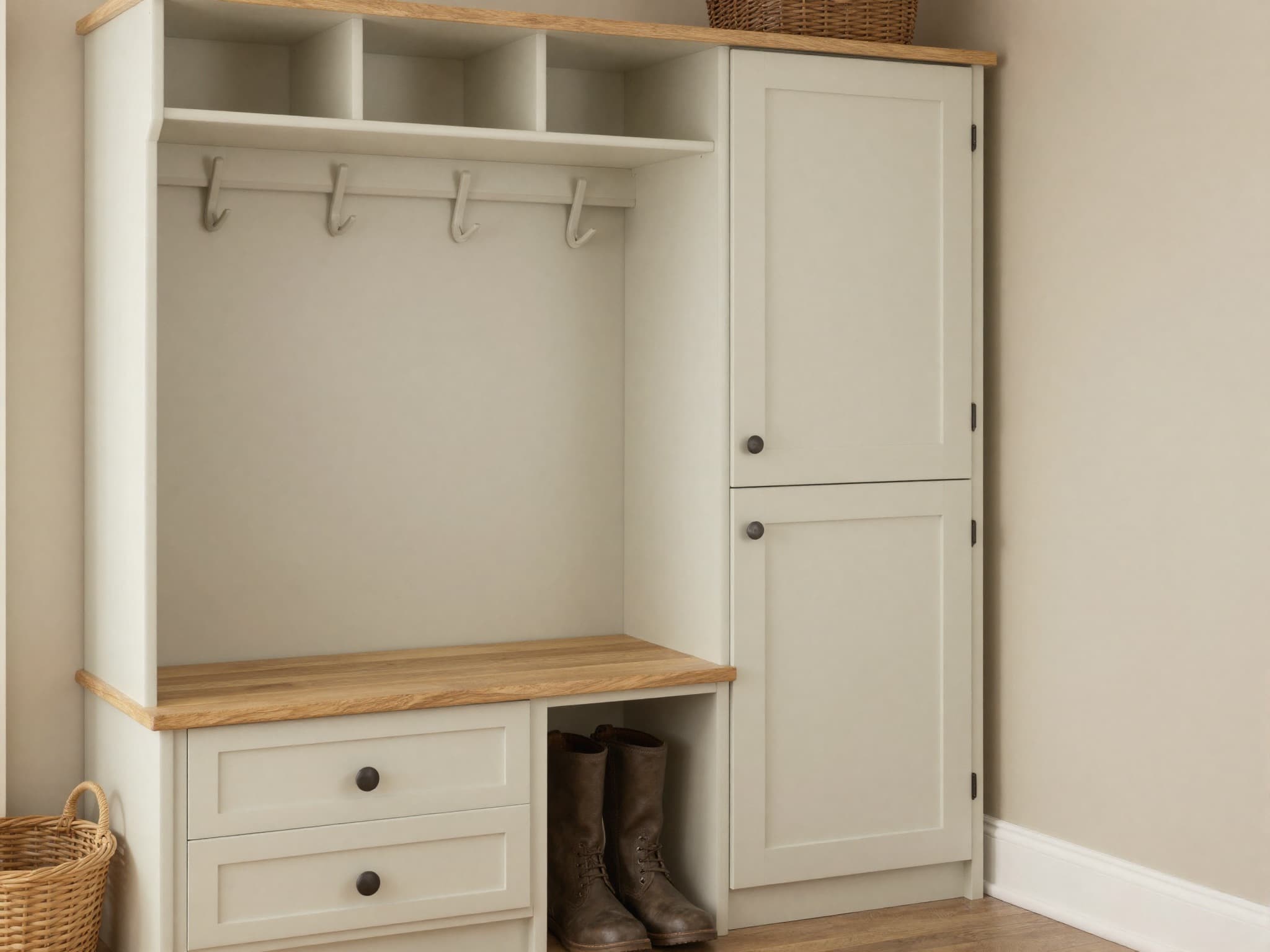
A good boot-room layout needs a seat, low shoe or welly storage, hanging space for wet coats, at least one closed cupboard for bags and cleaning kit, and a floor-level zone that can cope with mud and moisture.
Manx Bespoke Storage
Loading…
Loading content. Please wait.Photos & finishes
A quick showroom strip of finishes, layouts and storage ideas — visual proof on the quieter pages, not just words.
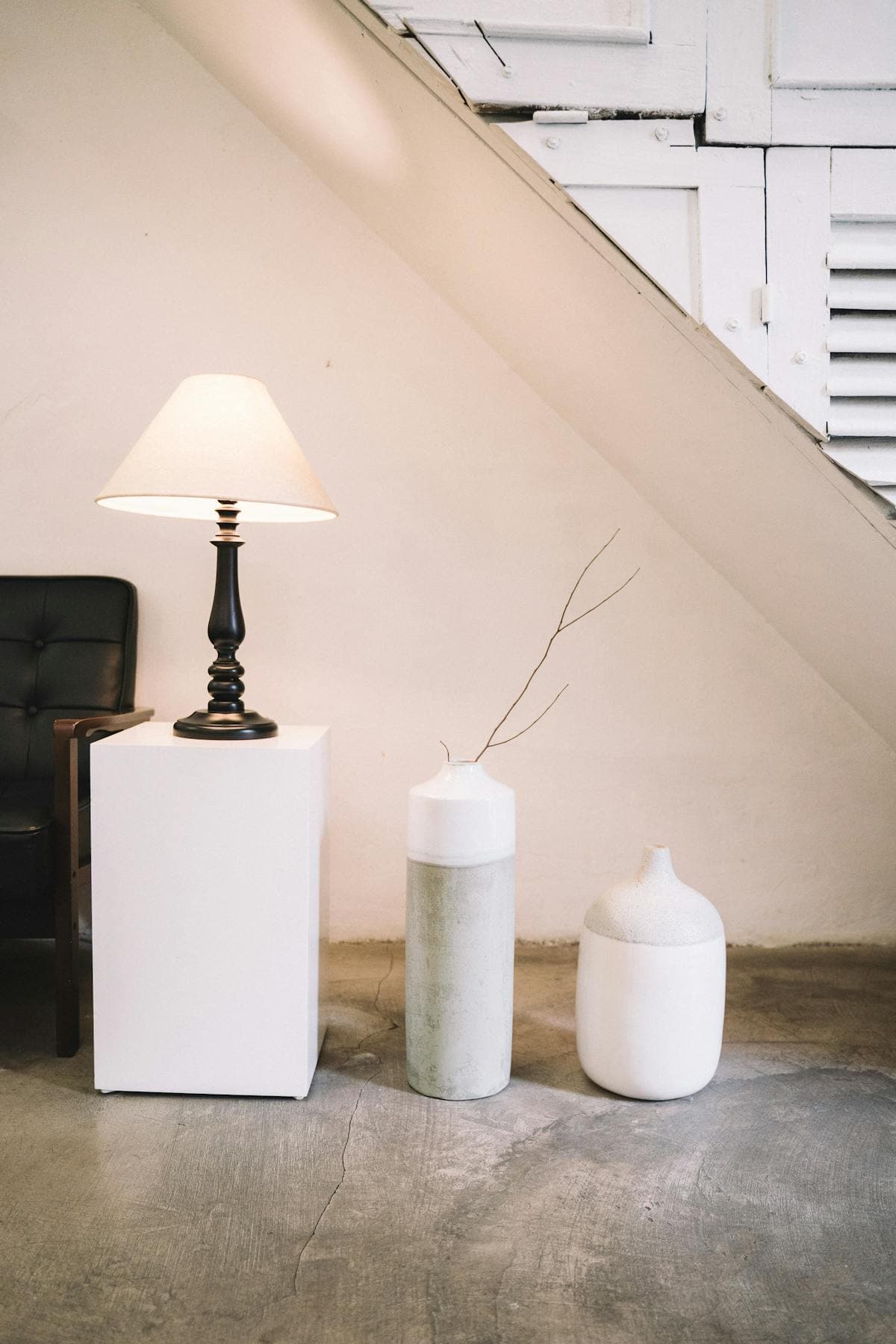
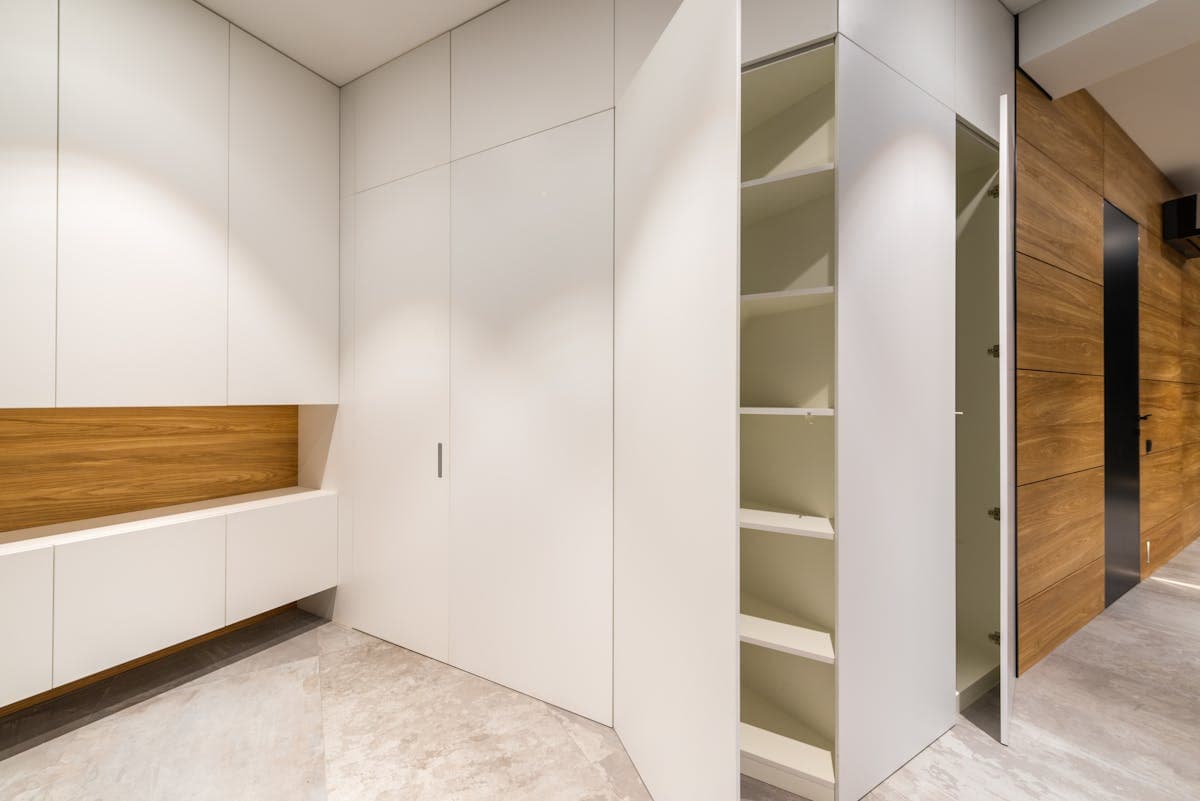
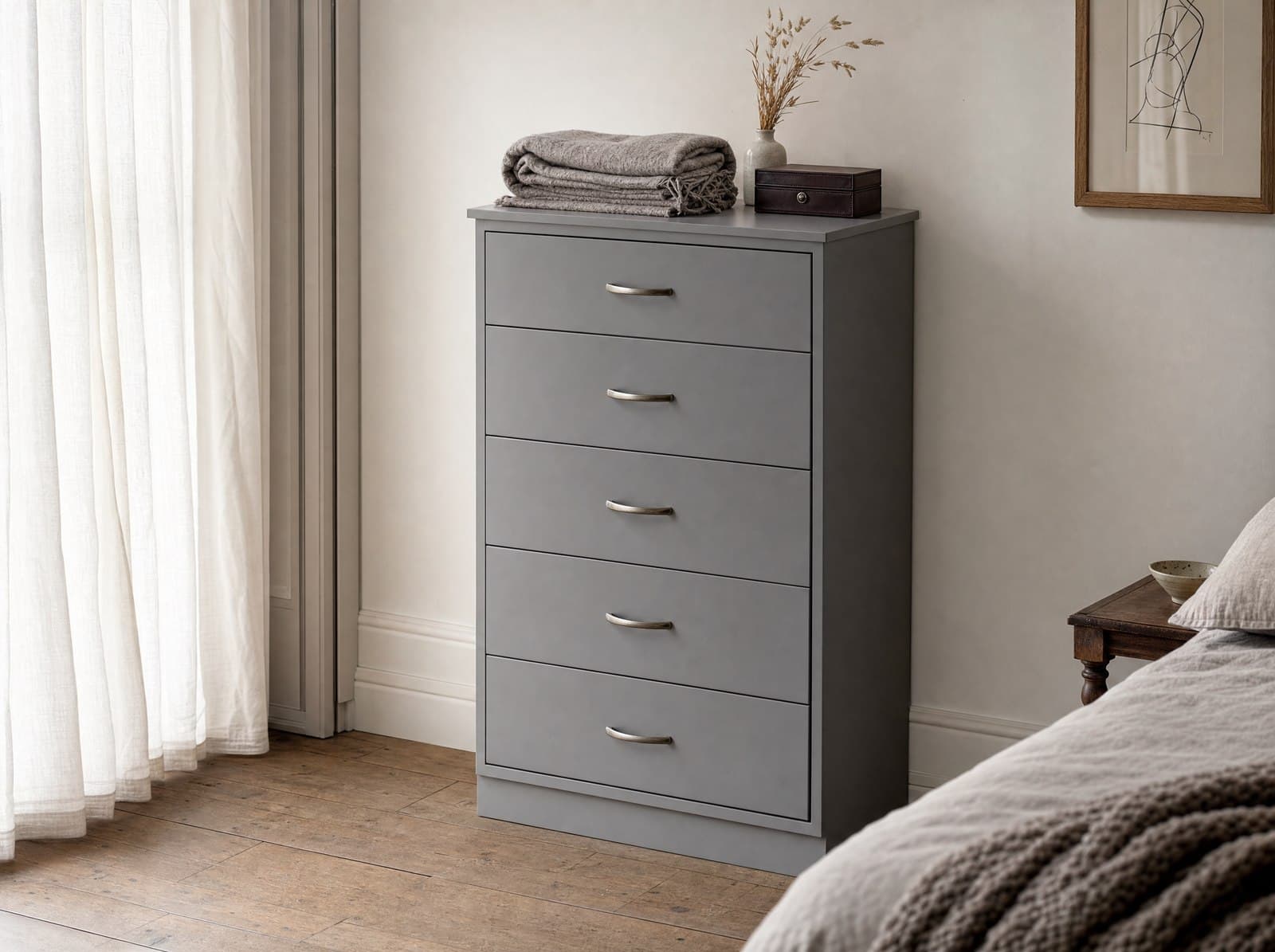
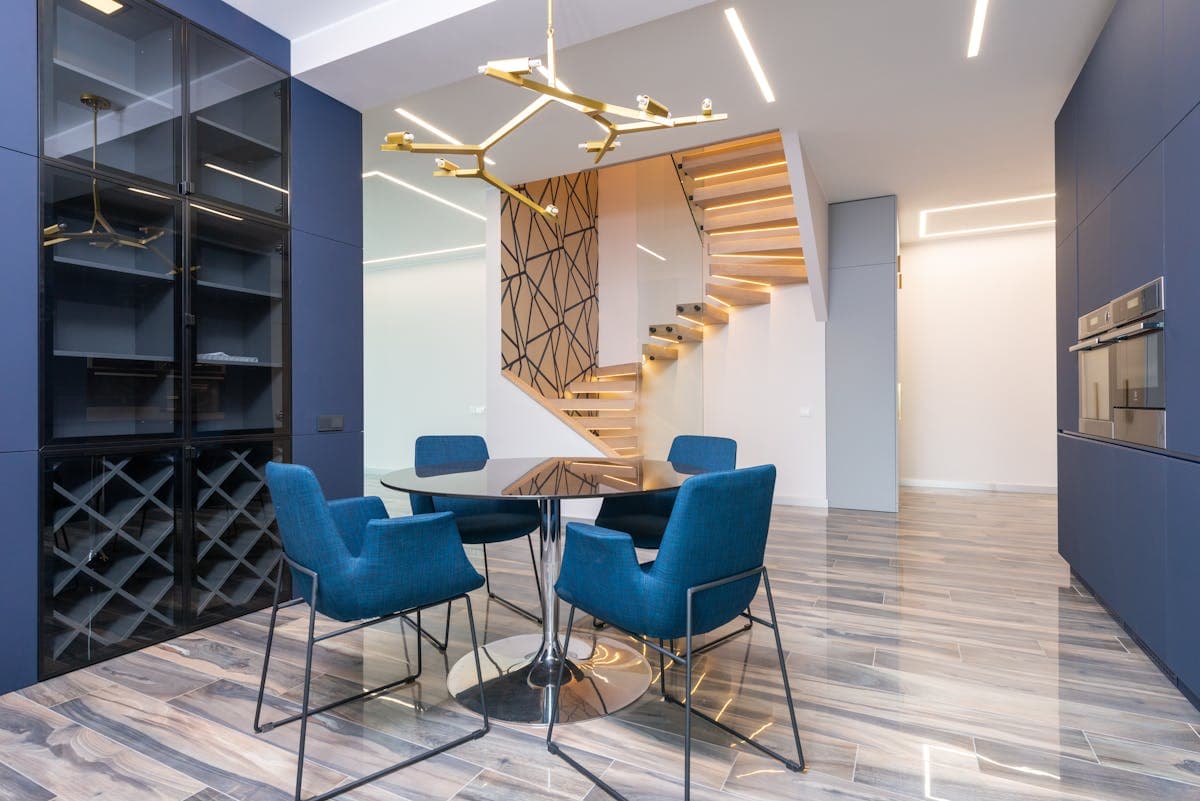
Isle of Man fitted storage guide
The best fitted boot-room or utility storage starts with the messy daily reality: wet coats, muddy shoes, school bags, dog-walk kit, laundry and cleaning tools all need a home before the joinery can look calm.
Direct answer
For Isle of Man homes, fitted boot-room and utility storage should protect the entrance from weather-driven clutter. Start with low shoe storage, a wipeable bench, hooks or ventilated coat space, closed cupboards for bags and cleaning kit, and clear access to appliances, meters and pipework. A good quote starts with photos of the awkward parts as much as measurements.
A good boot-room layout needs a seat, low shoe or welly storage, hanging space for wet coats, at least one closed cupboard for bags and cleaning kit, and a floor-level zone that can cope with mud and moisture.
The main cost drivers are width, tall cupboard height, drawer and basket hardware, appliance surrounds, ventilation, sprayed finish, and awkward services such as pipes, sockets, stop taps or boiler access.
Measure the wall width, usable depth, ceiling height, skirting depth, nearby door swing, appliance sizes and any pipework or sockets. Photos matter as much as numbers for a first fitted-storage estimate.
Planning checklist
Layout decisions
The same family can need a shallow porch drop zone, a deeper utility wall and an under-stairs shoe area. Each space should solve one clear job.
Prioritise slim shoe drawers, a shallow bench and wall hooks. Full-depth cupboards can make a tight entrance feel blocked, so the storage should sit where people naturally pause.
Give each person a bay or shelf. A named zone is often more useful than one large shared cupboard because bags, school kit and coats stop collapsing into the same pile.
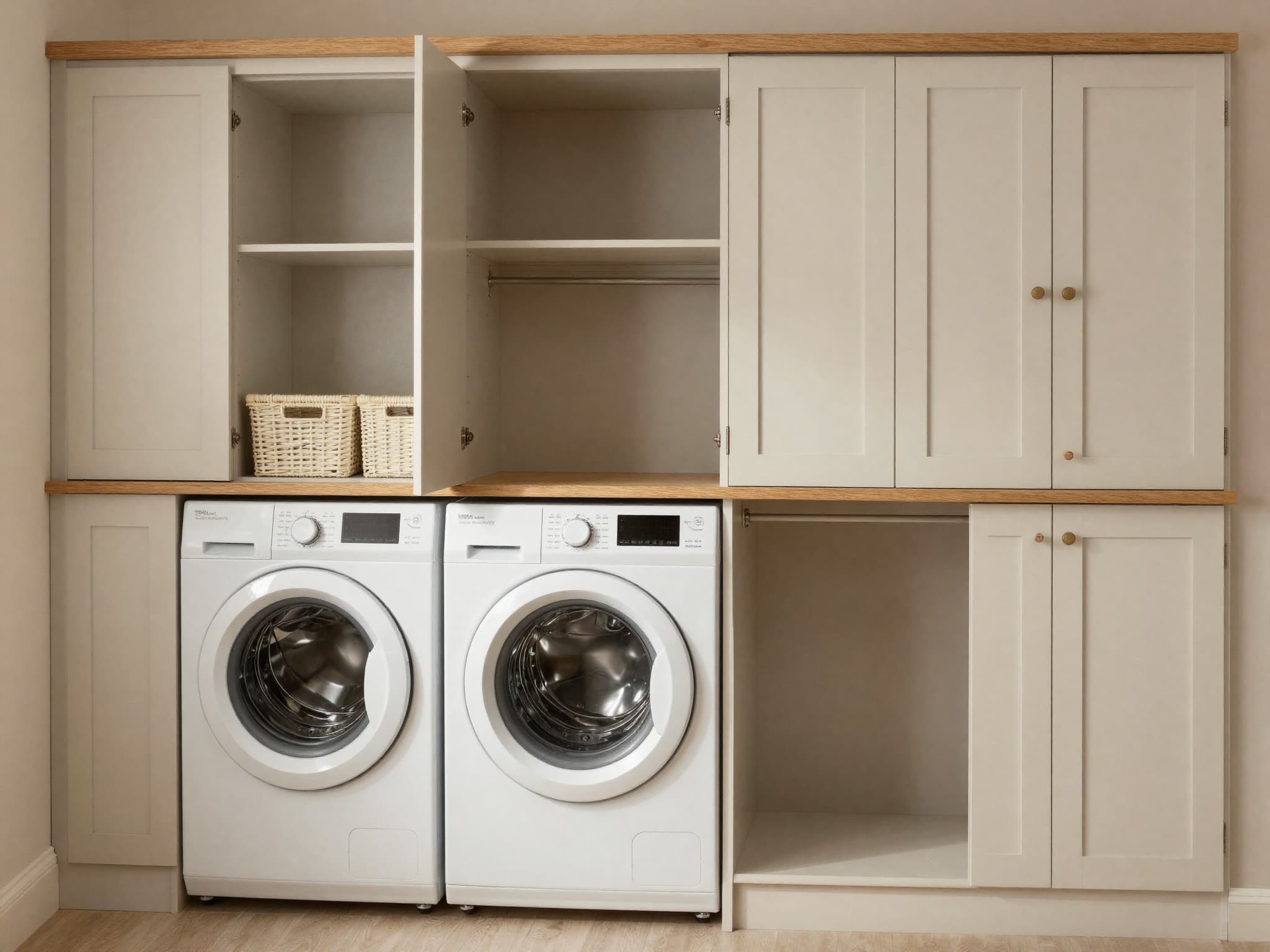
Plan around machines first. Measure appliance width, height, door swing, plug positions, hoses and ventilation before deciding where baskets, tall cupboards and worktop space belong.
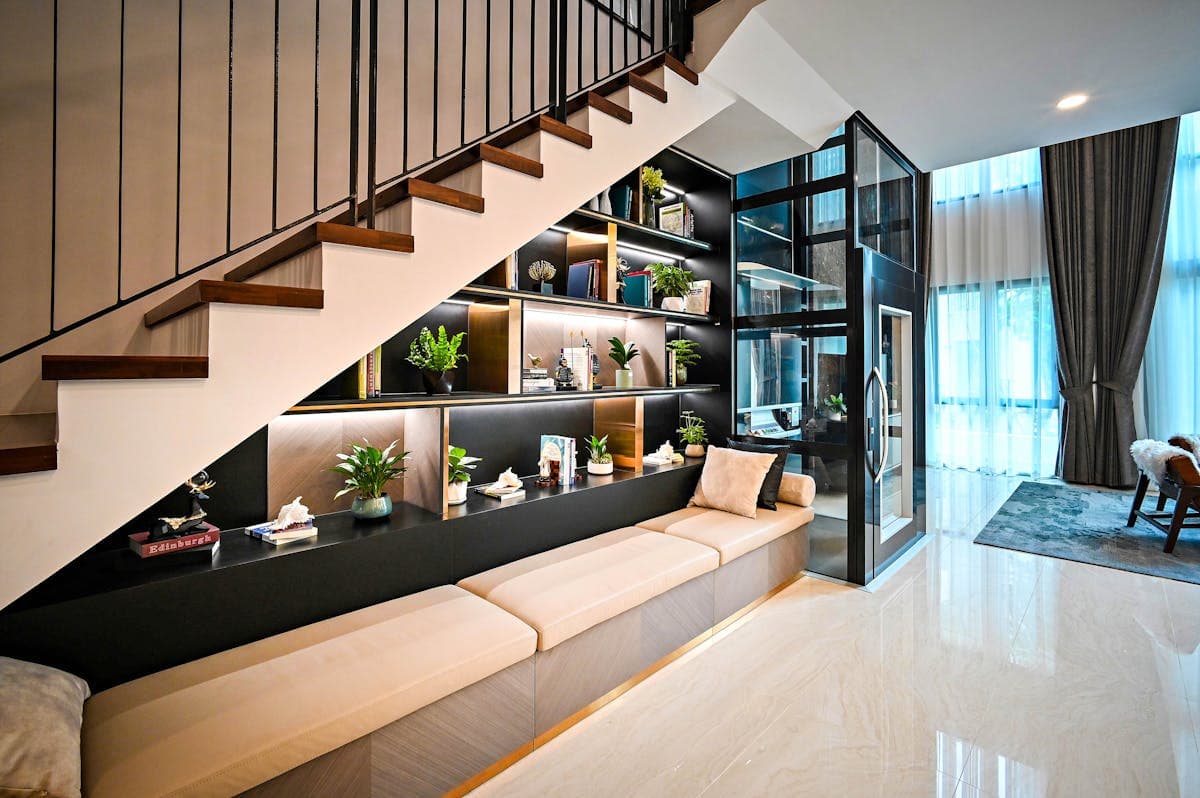
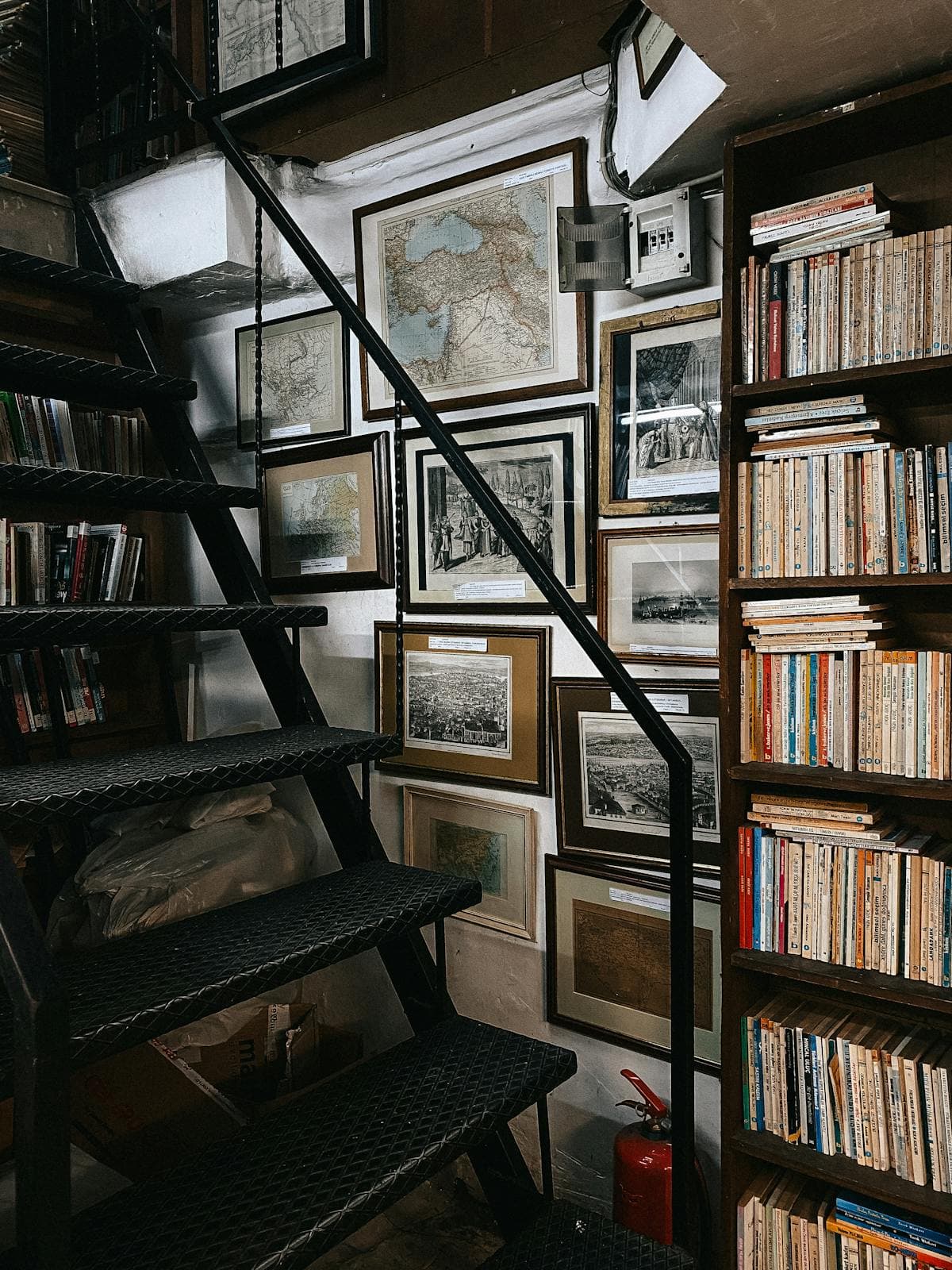
Use the lower end for shoes and pull-outs, the taller end for coats or tall cleaning kit, and keep awkward angles simple. The stair pitch can make drawers or doors behave differently across the run.
Quote readiness
A first estimate does not need survey-grade measurements. It does need enough context to spot the things that change the design: access, services, door swings, appliance sizes and the items you actually want hidden.
Common questions
Yes, but the design has to be shallow and disciplined. In a tight hallway, a narrow bench, hooks, open shoe slots and one closed cupboard usually work better than a deep wall of units.
Only if the cupboard has enough ventilation and the coats are not usually dripping wet. For everyday Manx rain, open hooks or a ventilated section near the entrance can be more practical than sealing moisture into a closed cabinet.
The measuring process is similar, but utility rooms usually need more service checks because appliances, pipework, plugs, boilers and ventilation affect the cabinet layout.
Ready to price the space?
Use the configurator for a guide range, or read the pricing guide and storage planning kit first if you are still gathering measurements.