Storage journal / 13 June 2026
Under-stairs storage ideas for Isle of Man homes.
The best under-stairs layout is rarely the prettiest Pinterest photo. It is the one that matches the angle, the hallway traffic, the meter position, and the way the house actually drops coats, shoes, school bags, tools, and cleaning gear.
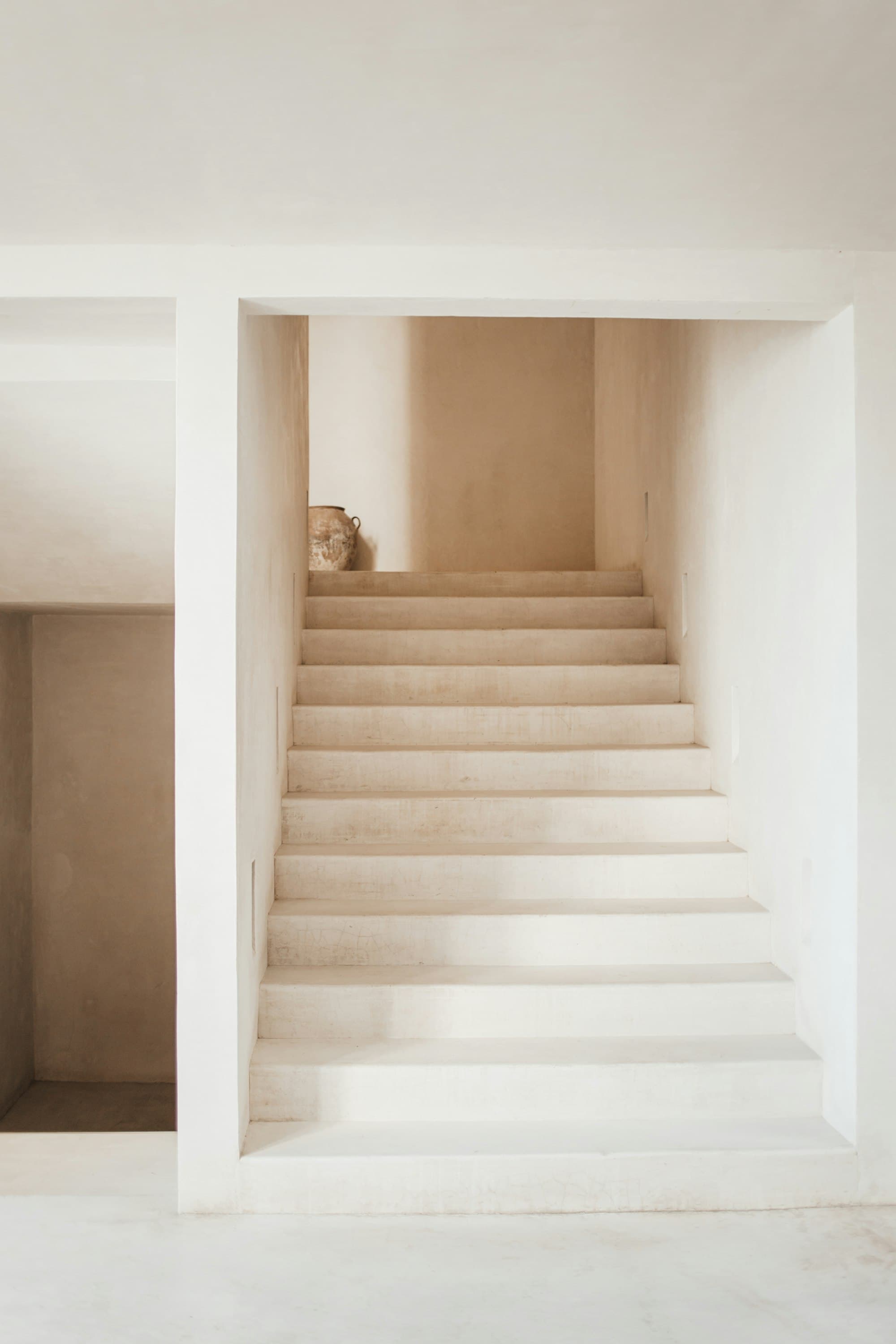
Start with what the space has to hold.
Under-stairs storage usually fails when it is designed around the triangle instead of the household. A slim hallway may need shoes and coats out of sight. A family house may need a tall cupboard for the hoover, mop, school bags, and sports kit. A cottage with awkward electrics may need access panels before it needs drawers.
Before choosing a layout, make a quick inventory: daily shoes, guest coats, cleaning kit, dog leads, tools, bags, paperwork, and anything currently living on the stairs. The inventory decides the split between drawers, doors, open shelves, and full-height compartments.
Five layouts that work in Manx homes.
- Deep drawer banks: best for shoes, bags, toys, and items that need to come out quickly without kneeling in the hallway.
- Tall door cupboards: best for hoovers, ironing boards, coats, and the awkward tall things that never fit flat-pack furniture.
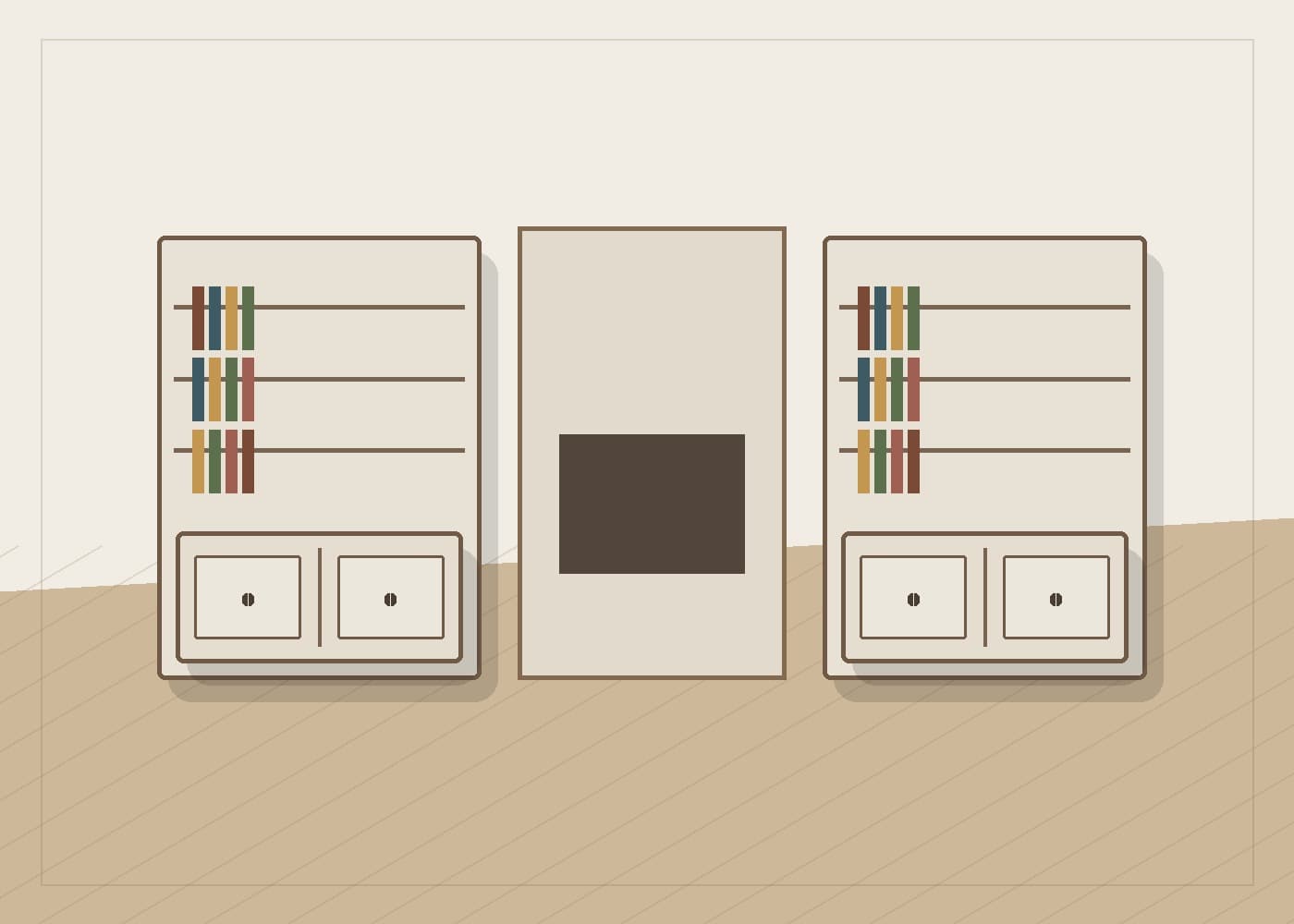
- Hybrid drawers and cupboard: the strongest everyday layout for most homes: drawer stack low, tall cupboard high, clean doors across the front.
- Open display and closed storage: useful when the staircase sits in a visible living area and the finish has to feel like furniture, not utility.
- Meter-safe access panels: essential when consumer units, stopcocks, or pipework sit under the stairs and still need inspection access.
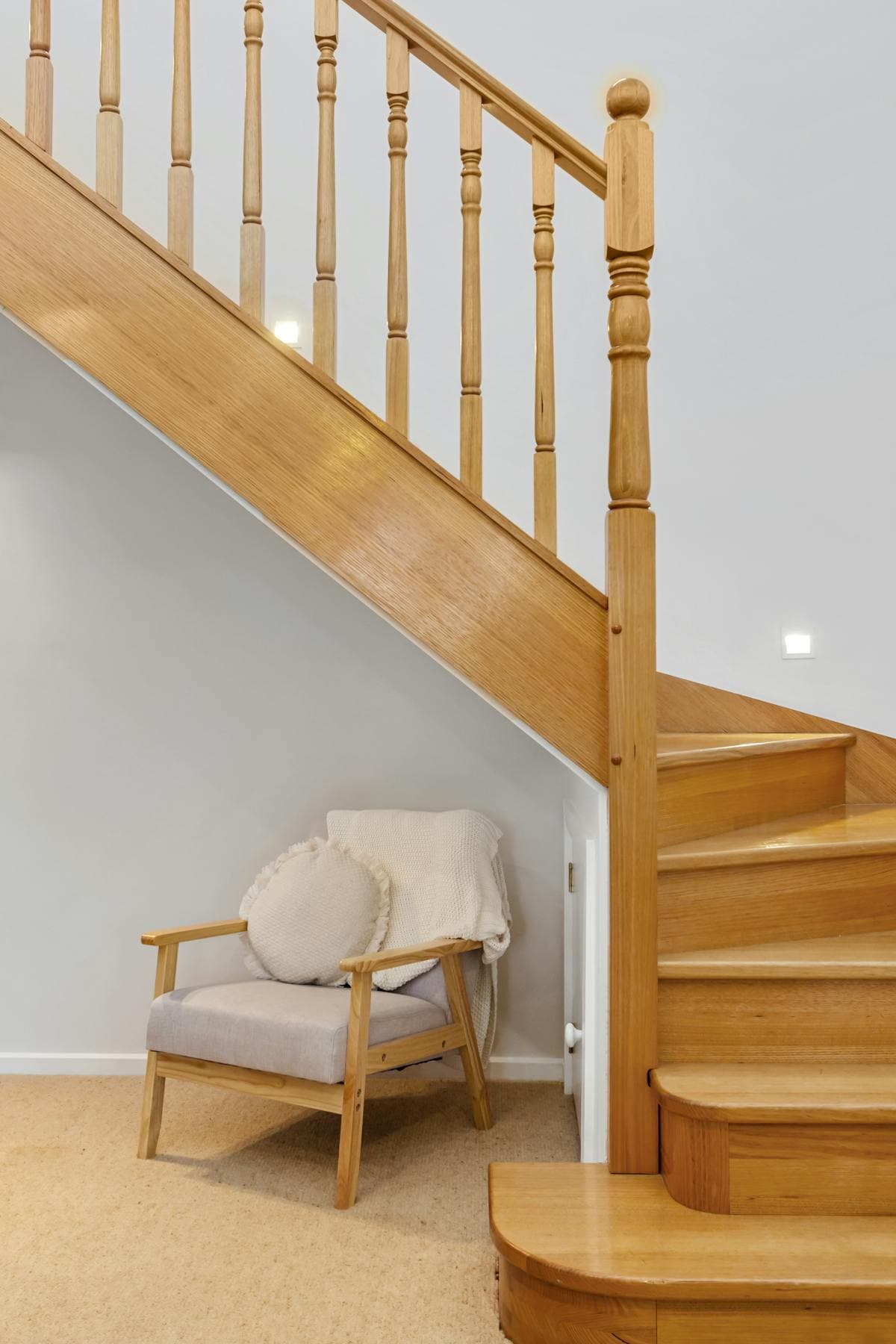
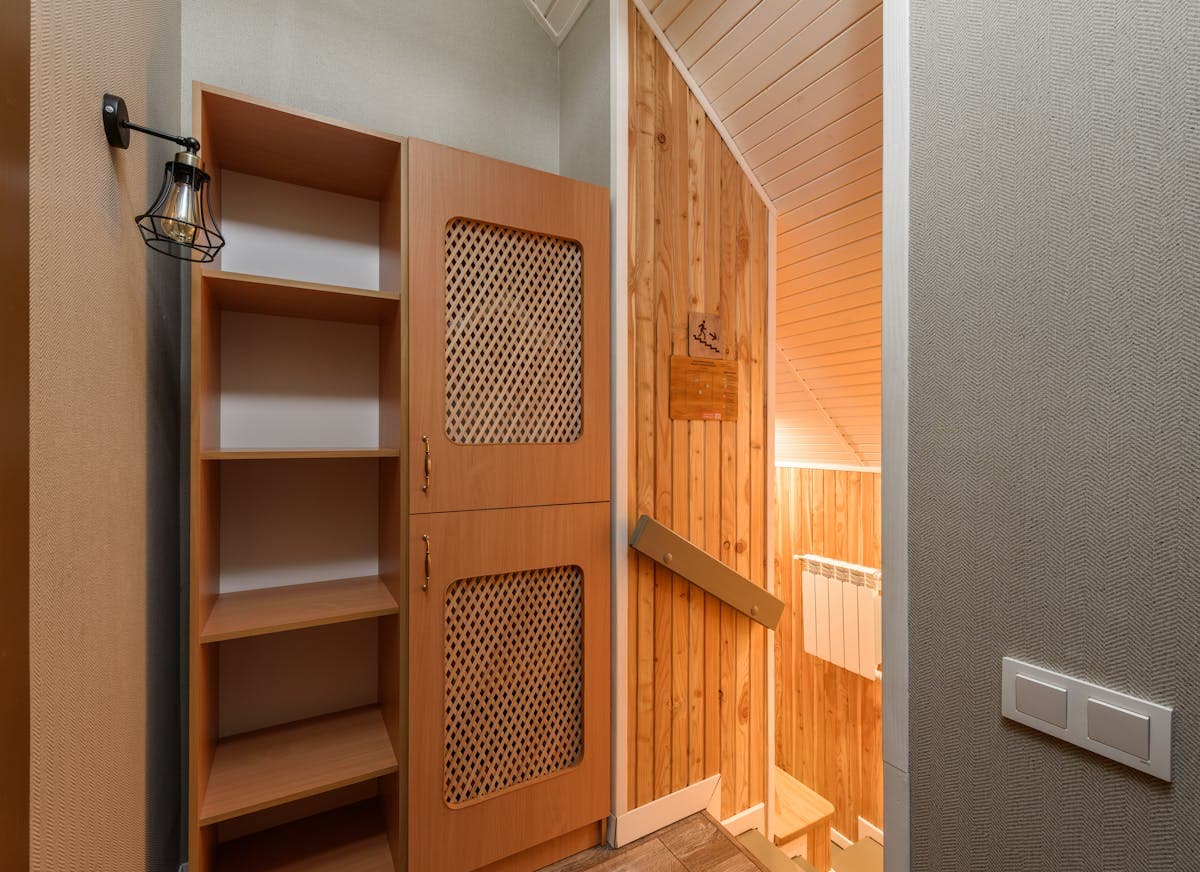
Where made-to-measure beats modular storage.
Modular units are fine when the space is square, the walls are kind, and the contents are forgiving. Under a staircase, that is rarely the case. The angle changes, the floor may not be level, skirting interrupts the back line, and the deepest part of the void can become useless if the access is wrong.
A measured design can follow the pitch, hide the odd edges, keep utilities reachable, and turn the full depth into usable storage. The biggest gain is not just more capacity. It is making the first thing you need easy to reach on a wet Tuesday morning.
The survey questions that prevent expensive mistakes.
- Does anything under the stairs need regular access for safety, meters, or maintenance?
- Which items are used daily, weekly, and seasonally?
- Should the finish disappear into the hallway or become a visible furniture feature?
- Do doors have enough swing space, or would drawers/opening direction solve the traffic problem?
- Will the storage still work when children, guests, coats, shoes, and shopping arrive at once?
Next step
Turn the awkward space into a measured plan.
Use the configurator to describe the staircase, then add notes about meters, pipework, shoes, coats, or anything that currently gets dumped in the hallway.
Start an estimate